Ranga B · 19 May 2026
The vedanta debate of two boys
The night was heavy with silence—Shivaratri lamps burning low, chants dissolving into sleep.
Share
This article
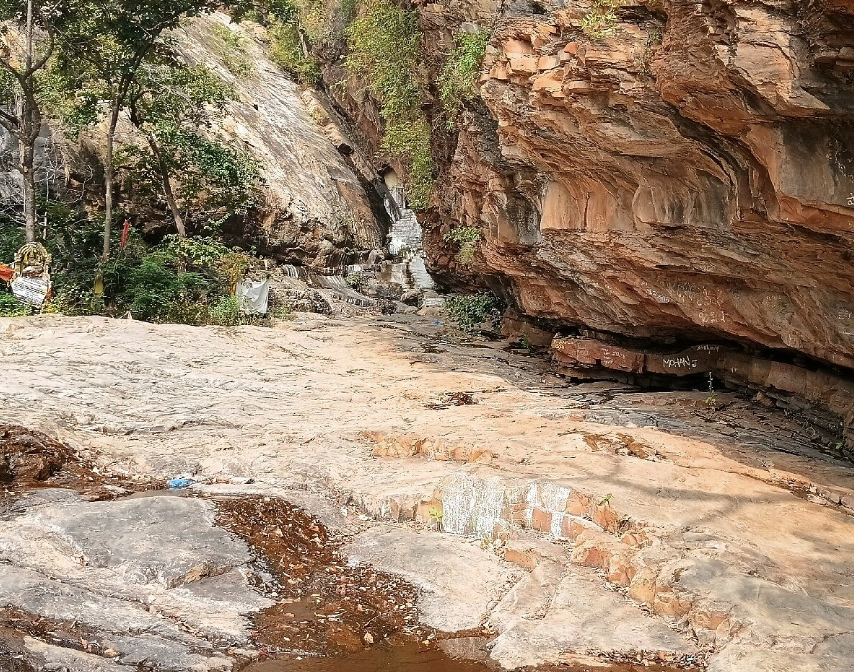
The night was heavy with silence—Shivaratri lamps burning low, chants dissolving into sleep. In a small village shrine, a little boy called Shambhu stayed focussed during the elaborate shivratri worship.
That night, something unexpected happened - a rat had run across near the Shiva linga during the ritual. Flowers scattered. For a moment, the stillness broke. The elders brushed it off.
“Don’t think too much,” they said.
But Shambhu could not let it go.
If the sacred is here, why does nothing stop the disturbance?
If God is present, why does the world not respond?
With that question still burning, he finally fell asleep.
The dream
The questions Shambu had didn’t fade—it followed him into sleep.
And sleep answered.
Shambhu had an awakening experience, but he was not in his room.
He stood in a vast, silent expanse—like a school beyond space, where even thought felt aware of itself.
And there, as if been waiting for him, stood another young boy. glowing with a transcendental light
It was prahlad, 5 years old.
Shambu approached prahlad and broke into a conversation
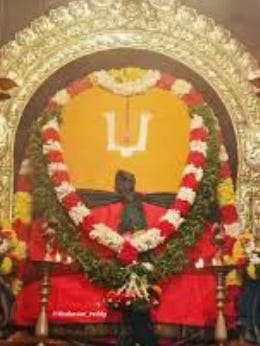
The First Clash
“You seem looking for something, can I please help you” asks Prahlad
Shambhu: “Oh thank you, I am a searching the truth you see! I wish you could help me but its not sure”
Prahlad: “Well Narayana can! Are you seeking him”
Shambhu: “And he is…?”
Prahlad: Well Narayana is the supreme personality of godhead, cause of all causes. He is present here , present there, everywhere.. you see”
Shambhu: “If supreme God is everywhere, why doesn’t He prevent impurity or disturbance? Why did a rat enter a sacred place during worship?”
Prahlada looked at him gently
Prahlada:
“You are expecting the Divine to behave like a controller outside the world. But in Vaishnava understanding, He is the support of everything that exists—the ground in which even disturbance appears.”
Shambhu frowned.
Shambhu:
“Then what is the point of worship at all?”
Bhakti: Not Control, but Relationship
Prahlada:
“Worship is not to make the world behave. It is to bring the heart into alignment with its eternal source.”
He continued softly:
“The Lord is not distant. He is deeply personal, and He reciprocates with every sincere turn of the heart. Everything unfolds by His will, yet He remains untouched by it.”
Shambhu hesitated.
Shambhu:
“But if everything is His will, then how is anything impure?”
Prahlada:
“The categories of pure and impure belong to the conditioned mind. The Lord is not bound by them. What you see as division is your perception, not reality itself.”
Why Ritual Exists
Shambhu:
“Then why temples, rituals, rules?”
Prahlada:
“Because the mind is scattered. Ritual is not to limit God, but to gather attention and direct it toward Him.”
A pause.
Prahlada:
“Without training, even truth is looked at and still missed.”
Divine Presence and Expectation
Shambhu:
“If He is everywhere, why doesn’t His presence stop disorder?”
Prahlada:
“Because His presence is not interference. It is what allows everything—including order and disorder—to exist.”
A pause.
Prahlada:
“The world moves by His arrangement, but He is never changed by it.”
Vedas vs Vedanta
Shambhu:
“The Vedas alone are complete truth. God is realized through Vedic knowledge and correct practice.”
Prahlada:
“The Vedas are the path, but Vedanta is their end—where knowledge matures into realization of one Supreme Person beyond all rules and forms.”
Shambhu:
“Then what is that final truth?”
Prahlada:
“That the Absolute Truth is Narayana, and the purpose of all creation is loving service to Him.”
Bhakti and Understanding
Shambhu:
“Then how should one understand all this? Logic? Questioning?”
Prahlada smiled faintly.
Prahlada:
“Inquiry is good, but it must lead to truth, not endless confusion. Human life is meant for realizing the Absolute, not merely analyzing it.”
Shambhu looked at him quietly.
Shambhu:
“Then what did you realize?”
The Turning Point
Prahlada’s voice softened, yet became more firm.
Prahlada:
“I realized that the Lord is not reached by control, but by surrender.”
A pause.
Prahlada:
“Everything I once thought I possessed was never mine. And everything I feared losing was never separate from Him.”
The Final Exchange
The dream began to thin, like night giving way to dawn.
Shambhu’s voice softened.
Shambhu:
“Then what should I hold on to?”
Prahlada looked at him with quiet certainty.
Prahlada:
“Hold on to bhakti that does not depend on circumstances. Let go of the need for the world to confirm what is already true.”
A final pause.
Prahlada:
“For vaishnavas the Lord is not won by knowledge. He is realized by unconditional surrender with a focus on serving his lotus feet.”
After the Dream
Shambhu awoke before dawn.
The shrine stood unchanged, the night already fading.
But his doubt had dissolved into quiet remembrance.
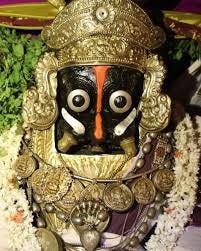
Like Prahlada, he now saw Lord Narasimha everywhere, and his heart turned naturally into devotion.
Shambu found a new prayer to hymn
Ito Nṛsiṁha, Parato Nṛsiṁha
Yato Yato Yāmi, Tato Nṛsiṁha
Bahir Nṛsiṁha, Hṛdaye Nṛsiṁha
Nṛsiṁham ādim śaraṇam prapadye
Share
This article